
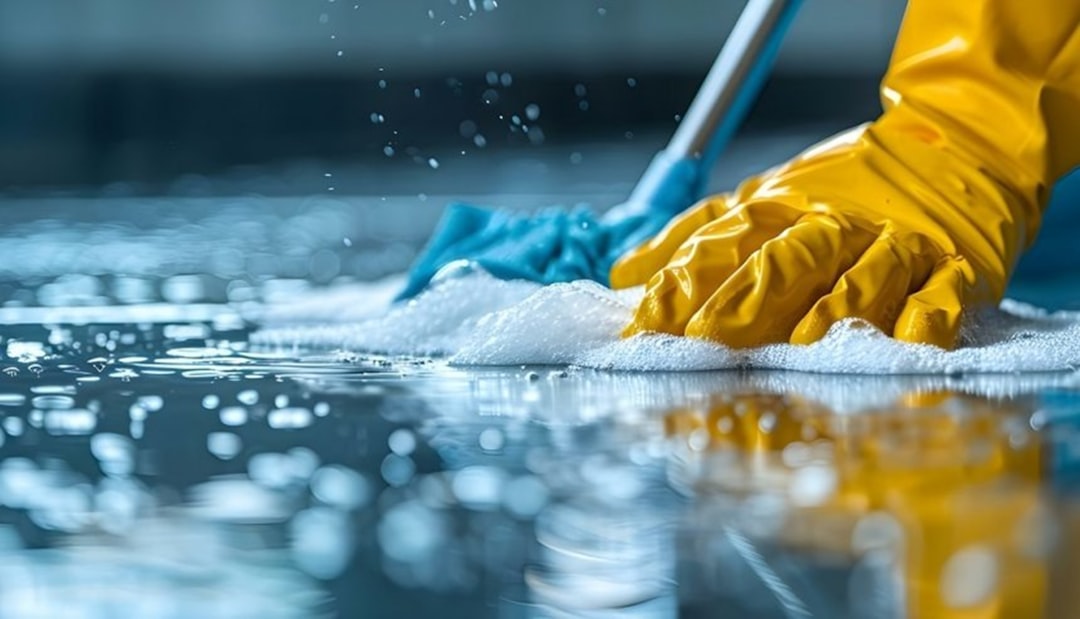
Simple Tips for Keeping Floors Cleaner for Longer
Clean floors make a home feel fresh and calm, but keeping them that way takes more than a weekly mop. Small habits, smart tools, and a little planning cut down on how often you need deep cleaning—and reduce the time it takes when you do.
This guide gives practical, realistic tips you can apply today. Each suggestion focuses on preventing dirt and spills, protecting high-traffic areas, and making cleanup quick when messes happen.
Adopt a no-shoes policy (and make it easy to follow)
Shoes track in dirt, grit, and moisture that abrade finishes and make floors look dirty fast. Make a no-shoes rule feel natural: set a clear spot by the door for shoe storage, keep a small mat for wiping, and offer slippers or indoor shoes for guests. Visible, easy storage encourages compliance—if shoes are piled in the entryway, people will keep wearing them.
Use entry mats and rugs strategically
Place heavy-duty, low-profile mats outside and inside main entrances to trap the majority of dirt and moisture before it hits your flooring. In kitchens, place washable runners where people stand most—by the sink, stove, and prep area. A well-chosen mat removes abrasive particles and reduces wet footprints that lead to streaking or warping on sensitive floors.
Protect high-traffic kitchen zones
High-use kitchen areas are where spills and crumbs regularly hit the floor. Prevent those problems at the source: use liners and protective solutions in appliances and on counters to minimize mess and drips.
For slow-cooker meals or anything that could bubble over, disposable liners can save scrubbing and prevent drips from eventually reaching the floor. Consider Syntus slow cooker liners to contain sauces and make cleanups immediate and mess-free.
Also, keep frequently used seasonings and small containers off counters and away from edges using space-saving, secure storage like a HuggieGems magnetic spice rack. Magnetic racks free counter space and reduce the chance of jars tipping and spilling solids onto floors.
Quick cleanup habits that add minutes, save hours
Routine micro-cleaning cuts the need for intensive floor work. Wipe up spills immediately with a microfibre cloth, sweep high-traffic zones daily, and run a dust-mop or vacuum daily in problem areas.
After washing dishes, use a compact drying solution that channels water away from the counter and sink onto the mat rather than spilling over—an expandable dish drying rack with a drain board helps keep counters dry and floors safe from drips.
Smart storage reduces spills and tracked-in mess
Organized kitchens and pantries mean fewer open containers, fewer spills, and quicker cleanup. Use clear, stackable containers for dry ingredients and prepped foods so you can see contents at a glance and avoid overpouring. Durable sets like Freshware food storage containers are great for portioning and storing leftovers properly, which minimizes mess from open bags and cartons.
For pantry staples—flour, sugar, cereal—switch to airtight, uniform canisters to prevent spills when grabbing ingredients. A tidy pantry with matching jars such as ComSaf glass pantry storage containers keeps crumbs and leaks contained and cuts the chance of powders ending up on the floor.
Maintain appliances and clean tools properly
Dirty appliances and poorly maintained cooking tools are sources of drips and splatters. Wipe mixer bowls, blender jars, and food-processor feed tubes after use to avoid sticky drips unnoticed on the counter edge.
If you use a powerful all-in-one like the Ninja Mega Kitchen System, clean removable parts right away—soaked and rinsed parts prevent crusted food that flakes onto counters and floors later. For rice cookers and steamers, follow fill-line guidance and clean condensation trays; a well-maintained unit like the AROMA Digital Rice Cooker can overflow if misused, but routine cleaning prevents sticky leaks that end up on the floor.
Declutter and organize living spaces to limit mess
Clutter on floors invites dirt, blocks vacuuming, and makes spills more likely. Reduce floor clutter with vertical and hanging solutions. A compact hanging organizer keeps shoes, slippers, and small items off the floor and makes adopting a no-shoes rule easier—consider a MAX Houser 6 tier hanging closet organizer for entry closets or hallway storage.
Clear zones: designate play, pet, and high-traffic paths and keep toys, pet dishes, and gear confined to those areas. Regularly sort and relocate items that tend to pile up on floors so sweeping and mopping are quick and effective.
Choose floor-friendly materials and care methods
Different floors need different care—use recommended cleaners and avoid excess water on hardwood or engineered wood. For tile and vinyl, a damp mop and gentle detergents work well; for stone, use pH-neutral products. Protect floors from furniture scuffs with felt pads and avoid dragging heavy objects.
Limit harsh chemicals that remove protective finishes; simple, regular maintenance preserves appearance and reduces the frequency of deep cleaning.
Checklist: Quick daily and weekly actions
- Daily: Sweep or vacuum high-traffic areas, wipe visible crumbs, and dry up spills immediately.
- Daily: Use a dish rack with proper drainage to avoid counter drips.
- Weekly: Mop with the correct cleaner for your floor type; treat sticky spots as needed.
- Weekly: Empty and wipe entry mats; shake out smaller rugs outside.
- Monthly: Inspect and replace appliance liners, check pantry containers for leaks, and move furniture to clean under it where possible.
FAQ
Q: How often should I deep clean floors?
A: High-traffic homes benefit from monthly deep cleaning; lower-traffic homes can do it every 6–8 weeks. Routine daily and weekly maintenance reduces the need for frequent deep cleans.
Q: Will mats damage hardwood floors?
A: Some rubber-backed mats can trap moisture and degrade finishes. Choose breathable, non-staining mats and lift them periodically to air out the floor underneath.
Q: What’s the best way to remove tracked-in salt and grit in winter?
A: Sweep or vacuum grit daily to prevent scratches, and use a damp mop with a gentle cleaner to remove salt residue. Place coarse mats outside the door to capture the worst of it.
Q: Can I use the same cleaner on all surfaces?
A: No—match cleaners to floor type. Use pH-neutral cleaners for wood and stone, mild detergents for vinyl and tile, and avoid abrasive products on any finish-sensitive surface.
Q: How can I keep pets from bringing dirt onto floors?
A: Wipe pets’ paws when they come in, keep pet beds clean, and set a mat at the entry specifically for pet access. Regular grooming reduces shedding and tracked-in debris.
Conclusion
Cleaner floors are the result of prevention, quick response, and tidy storage. Adopt a few of these habits—mats at entries, immediate spill cleanup, organized storage, and appliance upkeep—and you’ll spend far less time on floor maintenance while keeping your home looking fresh.
Products Featured in This Article

Ninja Mega Kitchen System, 1500W, 7…
The Ninja mega kitchen system comes packed with 1500 watts of power to handle all of…

Syntus 30 Slow Cooker Liners, Large…
From the brand Redefine kitchen convenience. Enjoy your kitchen time with Syntus, a leading kitchen supplies…

AROMA Digital Rice Cooker, 4-Cup (U…
Elevate your home cooking with the Aroma® 8-Cup (Cooked) Digital Rice Cooker & Food Steamer. Enjoy…
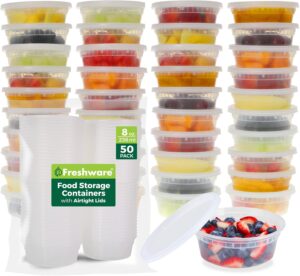
Freshware Food Storage Containers […
Stay Fit And Healthy – Enjoy Nutritious Homemade Meals Everywhere With The #1 Food Storage Containers…
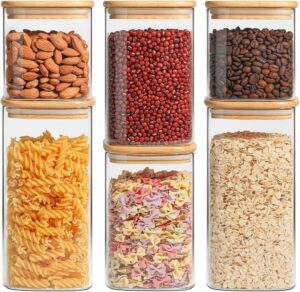
ComSaf Glass Pantry Storage Contain…
Product description The video showcases the product in use.The video guides you through product setup.The video…

HuggieGems Metal Magnetic Spice Rac…
From the brand Magnetic Spice Rack Magnetic Spice Rack Shower Caddy Rustproof MaterialMetalSpace saver on the…

Dish Drying Rack Stainless Steel Ex…
Product description Large Capacity Space Design: This dish drying rack provides ample space for plates, cups,…

MAX Houser 6 Tier Hanging Closet Or…
Product description COMFORTABLE&NEAT&CLEAN Well-ordered from home organizersThe symphony of a home,MAX Houser designs your home style….
