

Simple Meal Prep Organization Tips for a Less Stressful Week
Meal prep doesn’t have to be complicated to be effective. With intentional planning, the right tools, and a few organization systems, you can cut daily decision fatigue and free up time for things you enjoy.
This guide gives practical, easy-to-implement organization tips to streamline your week: from planning and batch-cooking to smart storage and workspace layout. Use what fits your routine and build habits that last.
Pick a day and set a realistic menu
Choose one day—often Sunday or a midweek day—that you’ll dedicate 60–90 minutes to prep. Start with a simple menu: two proteins, two vegetables, and one grain. Limiting variety prevents overwhelm and keeps shopping simple.
If you enjoy low-effort, hands-off cooking while you handle other tasks, consider planning meals that use slow cookers. They’re ideal for soups, stews, and shredded proteins that portion and freeze well.
Batch cook staples
Cook big batches of versatile staples—rice, roasted vegetables, grilled chicken, and beans—and use them in multiple meals. For consistent grains with minimal babysitting, a dedicated rice cooker removes guesswork and delivers uniform results every time.
For small households or those new to batch cooking, a compact, programmable cooker like the AROMA Digital Rice Cooker makes preparing rice and grains reliable and frees stovetop space for other prep tasks.
Smart storage choices
Invest in a few high-quality container types: one set for single portions, another for shared meals, and at least one set of airtight containers for liquids and sauces. Stackable containers save space and make the fridge look organized at a glance.
Start with a category of well-reviewed options like food storage containers so you can compare sizes, materials, and leakproof features before buying. Clear containers help you see contents quickly and reduce food waste.
Labeling, rotation, and portioning
Label containers with the date and contents. Use a permanent marker or preprinted labels and place labels on lids or sides. Always put new items behind older ones in the fridge so you use the oldest food first.
For portion control and grab-and-go ease, consider stackable deli-style sets like Freshware meal prep containers. They’re designed for individual meals and are microwave, freezer, and dishwasher safe—practical for busy weeks.
Use the right tools to speed tasks
Food prep time is dramatically reduced with multifunction appliances and the right small tools. A powerful blender or a combined blender/processor can puree sauces, make smoothies, and chop vegetables fast.
Consider a multifunction kitchen system like the Ninja Mega Kitchen System to consolidate tasks and free up counter space—one appliance that blends, processes, and handles dough saves time and cleanup.
Keep the pantry organized for quick builds
An organized pantry speeds meal assembly. Group like items (grains, canned goods, baking, snacks) and keep frequently used ingredients at eye level. Use clear containers for staples so you can see quantities and avoid duplicate purchases.
If you’re organizing bulk items or dry goods, browse solutions in the pantry storage containers category to find uniform canisters and labels that create a cohesive, functional pantry layout.
Organize spices and small items
Spices, condiments, and single-serve additions make or break quick meals. Keep the most-used spices within arm’s reach of your prep zone and lesser-used spices in a secondary location.
Wall-mounted or magnetic systems keep counters clear and are easy to scan when cooking. A categorized rack from spice racks & organizers will reduce time searching for ingredients and encourage consistent seasoning.
Counter and drawer organization for faster prep
Designate zones: a prep zone (cutting board, knives, measuring cups), a cooking zone (pots, pans, spatulas), and a storage zone (containers, lids). A tidy drawer with dividers speeds utensil selection and keeps counters clear for prep.
Install adjustable dividers like the Vtopmart drawer dividers to keep flatware and utensils separated and easy to access. Small organizational wins reduce friction and cleanup time.
Quick checklist for meal prep organization
- Pick one prep day and create a limited-menu plan.
- Batch-cook 2–3 staples: a grain, a protein, and a vegetable.
- Use stackable, leakproof containers for portions.
- Label with contents and date; rotate older items forward.
- Keep most-used spices and tools in your prep zone.
- Adopt at least one multifunction appliance to speed tasks.
- Maintain a tidy pantry with uniform containers for visibility.
FAQ
How many meals should I prep at once?
Aim for 3–5 meals or components that can be mixed across 3–4 days. Adjust based on fridge space and how often you like fresh-cooked meals.
What containers are best for freezing?
Choose rigid plastic or glass containers labeled freezer-safe. Leave a little headspace for expansion if freezing liquids or soups.
How do I avoid boredom with repeated meals?
Prep neutral-staple bases (rice, roasted veggies, plain protein) and change sauces, spices, or toppings daily to create variety without extra cook time.
Can meal prep work for one person?
Yes—scale portions down and use smaller containers or reuseable deli cups designed for single servings so nothing goes to waste.
How long will prepped meals stay good in the fridge?
Most cooked meals keep 3–4 days refrigerated. For longer storage, freeze portions and thaw one day before use or use a steam/defrost function when reheating.
Conclusion
Start small: pick one prep day, invest in a few quality containers, and organize your workspace by zones. With consistent, simple systems you’ll reduce stress, waste, and daily meal decisions—making weeknights calmer and mealtime more enjoyable.
Products Featured in This Article

Ninja Mega Kitchen System, 1500W, 7…
The Ninja mega kitchen system comes packed with 1500 watts of power to handle all of…

AROMA Digital Rice Cooker, 4-Cup (U…
Elevate your home cooking with the Aroma® 8-Cup (Cooked) Digital Rice Cooker & Food Steamer. Enjoy…
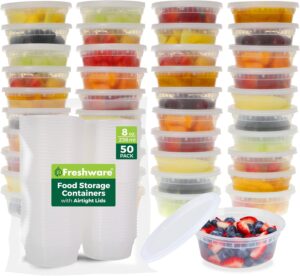
Freshware Food Storage Containers […
Stay Fit And Healthy – Enjoy Nutritious Homemade Meals Everywhere With The #1 Food Storage Containers…
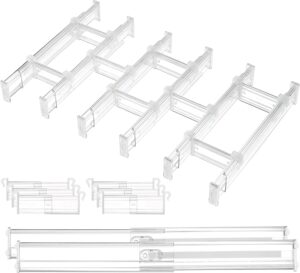
Vtopmart 2.36″ Drawer Divider…
Product description 1 for Flatware 2 for Kitchen Utensil 3 for Office Supplies 4 for Tools…
