
Kitchen Safety Tips Every Home Cook Should Know
Cooking at home should be enjoyable, efficient, and safe. Small habits and a few smart tools can prevent common accidents, reduce foodborne illness risks, and make cleanup easier. This guide covers practical, everyday safety measures every home cook can adopt.
Below are clear tips for organizing your space, handling knives and hot surfaces, using appliances safely, and storing food properly. Read through and pick a handful of changes to implement this week.
Organize Your Work Zone for Safer Cooking
A tidy kitchen reduces spills, trips, and frantic movements when things are hot. Keep frequently used items within reach and clear counter space for prep. Use drawer dividers and designated stations so tools and ingredients live in predictable places.
Consider a drawer organizer for utensils and knives to avoid digging through clutter; a good option is a drawer divider set to keep cutlery and gadgets separated and easier to grab safely.
Knife Safety and Proper Storage
Sharp knives are safer than dull ones because they require less force and are less likely to slip. Always cut on a stable board, use a claw grip on the food, and never try to catch a falling knife.
Store knives where blades are protected and handles are accessible. A magnetic knife block set or wall strip keeps knives off counters and out of reach of children while allowing safe access when cooking.
Choose the Right Cutting Board and Maintain It
Use separate boards for raw proteins and produce to prevent cross-contamination. Wooden boards are forgiving on knife edges but need proper cleaning; plastic boards can go in the dishwasher for sanitizing.
Invest in a durable cutting board with good juice grooves and grip. A quality choice is the wooden cutting board set with juice grooves to keep counters clean and reduce slipping while chopping.
Cookware and Stovetop Safety
Match the pan size to the burner to prevent handles from heating unevenly and to avoid tipping. Turn pot handles inward so they don’t extend over the edge of the stove where they can be knocked. Keep flammable items—tea towels, paper, plastic—well away.
Use well-made cookware that heats evenly; a reliable set such as the Calphalon ceramic nonstick cookware can reduce hotspots and sticking, which lowers the chance of oil splatters and burning.
Appliance Safety: Use and Maintenance
Small appliances make kitchen life easier but can be sources of mishaps if misused. Always read the manual, never immerse electrical bases in water, and unplug appliances when not in use.
Keep toasters and other heat-generating devices clear of crumbs and debris; for example, empty trays regularly and give your toaster a safe, dedicated spot away from curtains or paper. A dependable model like the BLACK+DECKER 4-slice toaster should still be cared for to avoid fire risks.
Handle Hot Liquids and Steam Carefully
Steam and boiling liquids cause many kitchen burns. Use oven mitts, open lids away from your face, and tilt pot lids so steam escapes from the opposite side of your hand. When transferring hot liquids, use a stable pathway and low, controlled pours.
If you rely on kettles for tea or to speed up cooking, choose one with precise controls and an auto-shutoff to reduce boil-over risks, like the Fellow Corvo electric kettle, and always set it on a flat, dry surface.
Prevent Cross-Contamination and Store Food Safely
Wash hands frequently—especially after handling raw meat, poultry, or eggs. Sanitize countertops and cutting boards after contact with raw proteins, and avoid reusing marinades unless boiled first.
Store leftovers in appropriate containers to cool quickly and stay fresh. Stackable, leakproof options like Freshware food storage containers make labeling, stacking, and reheating safer and more organized.
Organize Spices and Small Items to Avoid Accidents
Loose spice jars, timers, and small tools clutter counters and increase the chance of spills and dropped items. Keep spices in a single, organized spot near where you cook to minimize reaching over hot burners.
A magnetic spice rack such as the HuggieGems magnetic spice rack can store frequently used seasonings within arm’s reach while freeing counter space and reducing distractions during cooking.
Safe Use of Slow Cookers and Other Set-and-Forget Appliances
Slow cookers are great for hands-off meals but must be used correctly: don’t overfill, ensure lids fit snugly, and check seals before leaving unattended for long periods. Place the cooker on a heat-resistant surface and away from edges.
For easier cleanup and to protect your pot, use liners like slow cooker liners which reduce splatter and the temptation to scrub hot surfaces immediately after cooking.
Quick Safety Checklist
- Keep knife blades sharp and stored on a block or magnetic strip.
- Use separate cutting boards for meat and produce.
- Turn pot handles inward and match pan size to burner.
- Unplug small appliances when not in use and clean crumb trays regularly.
- Use oven mitts and open lids away from your face to avoid steam burns.
- Cool and store leftovers in stackable, labeled containers within two hours.
- Keep a fire extinguisher accessible and know how to smother grease fires.
FAQ
Q: How often should I sharpen knives?
A: Light sharpening or honing every few weeks with regular home use, and full sharpening a few times a year depending on frequency.
Q: Can I use one cutting board for everything?
A: It’s safer to have at least two—one for raw proteins and one for produce—to avoid cross-contamination.
Q: What’s the safest way to put out a small grease fire?
A: Turn off heat, cover the pan with a metal lid to smother flames, and never use water. Have an extinguisher rated for kitchen fires nearby.
Q: Should I unplug appliances when not in use?
A: Yes—unplugging prevents accidental activation, reduces fire risk, and saves energy. Unplugging is especially important for items with heating elements.
Q: How can I cool large pots quickly before refrigerating?
A: Divide into shallow containers to speed cooling and then refrigerate; use stackable containers designed for rapid cooling and safe storage.
Conclusion
Small changes—like proper storage, mindful handling of heat and knives, and routine appliance care—dramatically reduce kitchen risks. Pick a few tips from this article to implement this week: organize a safe work zone, store knives correctly, and upgrade storage or liners where needed. Consistent habits create a safer, more enjoyable kitchen for everyone.
Products Featured in This Article
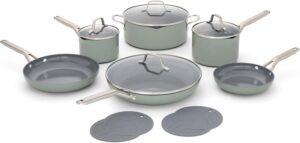
Calphalon® Ceramic Nonstick 12-pc….
Feed your passion for cooking and style, with Calphalon® Ceramic Nonstick cookware set. Perfect for everyday…

Magnetic Kitchen Knife Block Set &#…
From the brand Shop Yatoshi Collections What makes our products unique? Our products are crafted using…
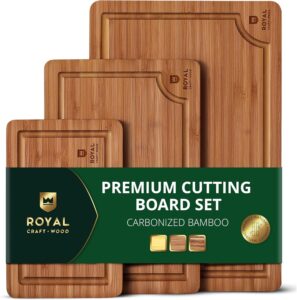
ROYAL CRAFT WOOD Wooden Cutting Boa…
From the brand Introducing our New Set CUTTING BOARD SETS NEW PRODUCTS ALERT CUTTING BOARD SETS…

Fellow Corvo EKG Pro Gooseneck Elec…
From the brand About us Fellow is a group of coffee lovers, designers, and tinkers based…

BLACK+DECKER 4-Slice Toaster with E…
Make breakfast for the whole family with the easy to use BLACK+DECKER 4-Slice Toaster. This black…

Syntus 30 Slow Cooker Liners, Large…
From the brand Redefine kitchen convenience. Enjoy your kitchen time with Syntus, a leading kitchen supplies…
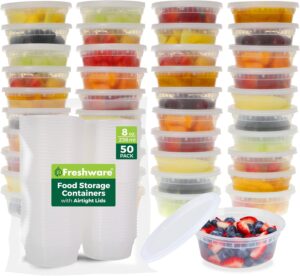
Freshware Food Storage Containers […
Stay Fit And Healthy – Enjoy Nutritious Homemade Meals Everywhere With The #1 Food Storage Containers…

HuggieGems Metal Magnetic Spice Rac…
From the brand Magnetic Spice Rack Magnetic Spice Rack Shower Caddy Rustproof MaterialMetalSpace saver on the…
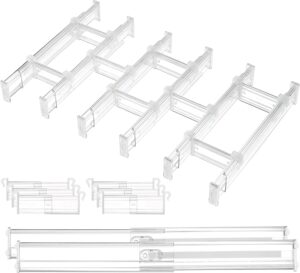
Vtopmart 2.36″ Drawer Divider…
Product description 1 for Flatware 2 for Kitchen Utensil 3 for Office Supplies 4 for Tools…
