
How to Keep Your Pantry Neat, Organized, and Easy to Use
A tidy pantry saves time, reduces food waste, and makes cooking more enjoyable. With a few targeted habits and the right tools, you can create a pantry that’s both attractive and effortless to use.
This guide gives practical steps—decluttering, zoning, choosing containers, and simple maintenance routines—to turn any shelf into a calm, usable space.
1. Start by Assessing and Decluttering
Empty shelves and sort everything into keep, donate, and toss piles. Group items by type as you go: baking, canned goods, snacks, breakfast, and bulk. Use sturdy bins to hold like items during the process so you can see what you actually have.
If you prefer temporary sorters, consider plastic storage baskets to keep things contained while you evaluate what stays.
2. Zone Your Pantry for Purposeful Flow
Create zones based on how you use the pantry: everyday staples at eye level, kids’ snacks lower down, less-used appliances or bulk up top. A clear layout speeds meal prep and prevents duplicate purchases.
For consistent results, plan zones around container sizes and shelf heights. Investing in modular pantry storage containers makes zoning predictable and keeps products visible and fresh.
3. Choose the Right Containers (and Why They Matter)
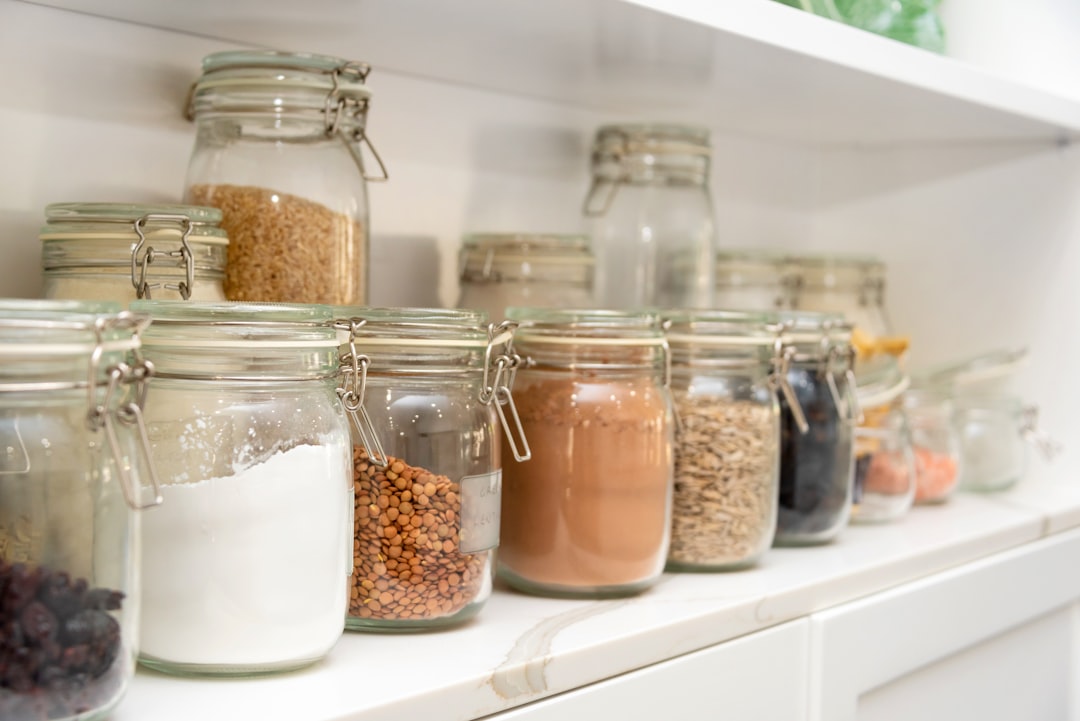
Uniform containers streamline appearance and make it easier to stack and measure inventory. Opt for airtight jars for flour, sugar, and cereal to extend shelf life and reduce pests. Clear containers save time because you can see levels at a glance.
Glass options like ComSaf Glass Pantry Storage Containers are excellent for dry goods: they’re airtight, stackable, and look neat on open shelving.
4. Use Vertical Space: Risers, Shelves, and Stacking
Many pantries waste vertical space between shelves. Risers and stackable organizers double available surface area and create sightlines so back-row items aren’t forgotten.
Clear, tiered solutions work well for canned goods and small boxes. For adjustable, lightweight shelving consider cabinet organizers that can be moved as your needs change.
5. Tame Drawers and Small Items
Flatware, measuring tools, and small gadgets can clutter pantry drawers and countertops. Use adjustable dividers and small bins to keep utensils accessible and contained.
Expandable drawer dividers make it easy to separate spoons, spatulas, and packeted mixes so you spend less time digging.
6. Organize Spices and Small Packets
Spices and seasoning packets are pantry troublemakers because they’re small, easy to misplace, and often piled on a shelf. A consistent system—rack, labeled jars, or magnetic storage—solves this quickly.
Magnetic spice shelves are invaluable if you have metal cabinet faces or a refrigerator side: a magnetic spice rack keeps spices visible and off counters.
7. Labeling, Portions, and Measuring
Labels reduce guesswork—write the contents and the date opened on each container. For portioning and meal prep, keep measuring tools near baking staples so you can prep efficiently.
A set like the Spring Chef 15 Magnetic Measuring Cups & Spoons stores neatly and helps avoid stray bits of equipment that clutter drawers.
8. Maintain: Stock Rotation and Simple Habits
Keeping a neat pantry is easier when you adopt a few habits: FIFO rotation (first in, first out) for groceries, a quick 10-minute weekly tidy, and a monthly inventory scan to plan meals and shopping.
For leftovers and meal prep containers, stackable, leakproof sets are lifesavers—consider a set of Freshware Food Storage Containers to keep prepared food organized and easy to rotate.
Quick Checklist
- Empty shelves and sort: keep, donate, toss.
- Create zones: breakfast, baking, snacks, bulk, appliances.
- Choose airtight, uniform containers for dry goods.
- Use risers, stackable shelves, and drawer dividers.
- Label containers with contents and open date.
- Adopt FIFO and schedule a short weekly tidy.
FAQ
- How often should I clean my pantry? Do a quick wipe monthly and a deep clean with shelf removal every 3–6 months or when you notice crumbs or pests.
- What’s the best container material? Glass is ideal for dry goods (no odors, easy to see levels), while durable plastic is lighter for large or handled containers.
- How do I store bulky or rarely used appliances? Keep them in higher shelves or a lower cabinet; group them together so you can pull one bin down instead of hunting multiple items.
- How can I prevent expired food? Label with the open date and put newer items at the back to ensure older stock gets used first.
- What’s a simple starter kit to organize a pantry? A set of clear canisters, a spice rack, drawer dividers, and a few baskets covers most basic needs.
Conclusion
Organizing your pantry is a one-time effort that pays daily dividends. Start with decluttering, choose airtight containers, create clear zones, and keep a short maintenance routine. Small investments in the right organizers and consistent habits will make your pantry neat, efficient, and welcoming every day.
Products Featured in This Article
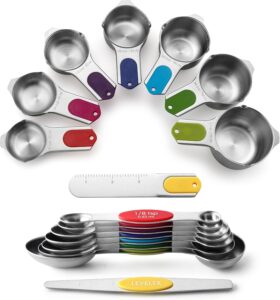
Spring Chef 15 Magnetic Measuring C…
From the brand Spring Chef TURN YOUR CULINARY VISIONS INTO REALITY Magnetic Products Top Sellers Baking…
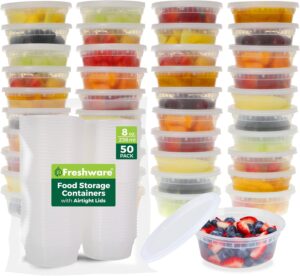
Freshware Food Storage Containers […
Stay Fit And Healthy – Enjoy Nutritious Homemade Meals Everywhere With The #1 Food Storage Containers…
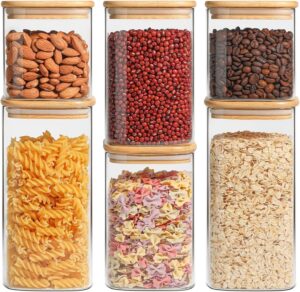
ComSaf Glass Pantry Storage Contain…
Product description The video showcases the product in use.The video guides you through product setup.The video…

HuggieGems Metal Magnetic Spice Rac…
From the brand Magnetic Spice Rack Magnetic Spice Rack Shower Caddy Rustproof MaterialMetalSpace saver on the…
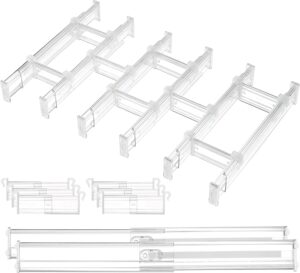
Vtopmart 2.36″ Drawer Divider…
Product description 1 for Flatware 2 for Kitchen Utensil 3 for Office Supplies 4 for Tools…

STARLATTA 2 Pcs Cabinet Organizer S…
From the brand About us: We have been working hard to develop and produce the strongest…

NETANY Plastic Storage Baskets R…
Product description PRODUCT CONFIGURATION: 8 woven pattern plastic baskets, gray. Dimensions:10.6” L x 7.2” W x…
