

How to Build a Useful Basic Tool Kit for Your Home
Every home needs a compact, reliable tool kit—one that handles common fixes, small projects and emergency needs without taking up cluttered space. Building a kit thoughtfully saves time, money and stress when something needs a quick repair.
Set aside a weekend to assemble a kit, choose durable basics, and organize them so you can grab what you need. Also think about where you keep the kit and how you’ll protect your workspace—placing a protective area rug or mat beneath projects makes cleanup and comfort easier.
Why a basic tool kit matters
A well-chosen kit empowers you to handle lighting, furniture, minor plumbing, and appliance minor tasks without calling a pro. It covers quick fixes—tightening a loose handle, changing a light fixture, patching a wall—or prepping a shelf or picture frame. Think of the kit as everyday insurance: small cost, big convenience.
Where to store your tools
Storage should be visible, portable and dry. A compact toolbox or tote works, but for living spaces consider attractive solutions that blend function and style—like a sturdy decorative storage basket for the kit that’s easy to tuck into a closet or open shelf. Label the basket so everyone in the household can find it.
Essential hand tools to include
Start with durable basics that cover most tasks. A recommended list:
- Claw hammer (16 oz)
- Set of screwdrivers: flat and Phillips—at least 3 sizes each
- Pliers: slip-joint and needle-nose
- Adjustable wrench (6–10″)
- Tape measure (25 ft)
- Utility knife with extra blades
- Level (24″)
- Allen/hex key set (metric + SAE)
- Box cutter and small hacksaw
- Cordless drill with basic bits and a spare battery
For storing metal bits and small tools within the kit, magnetic solutions are handy—consider a magnetic block or strip designed for knives as a model for how a magnetic holder can keep bits and small metal tools secure, similar to a magnetic knife block concept adapted for tools.
Fasteners, small parts and organizers
Collect common fasteners and small parts: assorted screws, wall anchors, picture-hanging hooks, nails, wire nuts and a small selection of washers. Store them so they’re easy to find:
- Use stackable, labeled plastic food storage containers for tiny bits—clear containers make identification fast.
- For frequently used small metal pieces, a magnetic shelf or rack keeps things from scattering; a compact magnetic spice-style rack shows how magnetic shelving can hold metal hardware neatly (magnetic spice rack).
- Glass canisters with lids are excellent for medium-sized items you want visible and sealed—great for screws, bolts and labeled groupings; see examples like glass pantry containers you can repurpose for hardware.
Organizing drawers and a workbench
If you have a drawer or dedicated bench, use inserts and dividers to keep tools accessible. Adjustable drawer dividers let you create sections for pliers, screwdrivers, and tape so nothing clatters together. Consider expandable divider systems that fit shallow kitchen or utility drawers like drawer dividers to adapt to different drawers and tool sizes.
Power tools and safety gear
A basic cordless drill with a small bit set is the most useful power tool for homes. Add a spare battery and a compact charger. For safety, include:
- Safety glasses
- Work gloves
- Dust masks
- Small first-aid kit
- Flashlight or headlamp with fresh batteries
Keep safety items together so they’re used consistently—store gloves and glasses in a clear pouch inside the kit.
Maintenance: how to care for tools
Proper care extends tool life. Wipe tools after use, oil metal parts lightly to prevent rust, and store them dry. Check fasteners in the kit regularly and replace worn blades and batteries. For bulky or seasonal items—extension cords, drop cloths, or tarps—use a collapsible bin or hamper to keep them contained and easy to move, such as a reinforced collapsible basket that doubles as a project bin (collapsible laundry basket).
Quick project starter list (what to grab for common fixes)
For three common scenarios, here’s what to grab fast:
- Hanging a picture: tape measure, pencil, level, drill or screwdriver, appropriate wall anchors and screws.
- Fixing a loose cabinet handle: screwdriver set, spare screws, small wrench, cloth for grip.
- Basic electrical reset/replace: flashlight/headlamp, screwdriver, wire nuts, and safety glasses.
Checklist
- Hammer, screwdrivers, pliers, adjustable wrench
- Tape measure, level, utility knife, hex key set
- Cordless drill + spare battery, small bit set
- Safety glasses, work gloves, dust mask, flashlight
- Containers for screws and anchors (clear stackable jars/containers)
- Portable storage (toolbox or decorative basket) and drawer dividers
FAQ
Q: How big should my basic kit be?
A: A kit that fits into a 12–18″ toolbox or a medium tote is ideal for most homes—large enough for essentials but small enough to store conveniently.
Q: Do I need a lot of power tools?
A: No. One good cordless drill plus basic hand tools will handle the majority of home tasks. Add specialty power tools only as your projects demand them.
Q: How should I store batteries and blades?
A: Store batteries separate from metal tools in a cool, dry place. Keep spare blades in labeled containers or the original packaging to avoid accidents.
Q: What fasteners should I keep on hand?
A: A small assortment of wood screws, sheet-metal screws, drywall anchors, picture-hanging hooks, and a few machine screws with matching nuts covers most needs.
Q: Can kitchen storage items help organize a tool kit?
A: Yes—clear food storage containers, glass jars and drawer dividers originally designed for kitchens work excellently for hardware and small tools. Items like stackable containers and glass pantry jars are particularly useful.
Conclusion
Build your kit gradually: buy quality basics first, add items as you encounter needs, and keep everything organized and visible. A compact, well-organized toolkit reduces repair time and keeps small problems from becoming big ones. Store it in a designated spot and practice using each item so your next fix is quick and confident.
Products Featured in This Article
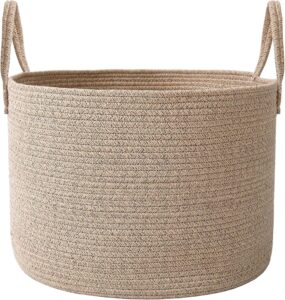
JMvicyroam 65L Extra Large Machine …
From the brand About JMvicyroam Founded on a love for sustainable living, JMvicyroam weaves nature cotton…

Magnetic Kitchen Knife Block Set &#…
From the brand Shop Yatoshi Collections What makes our products unique? Our products are crafted using…
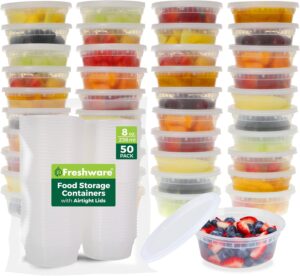
Freshware Food Storage Containers […
Stay Fit And Healthy – Enjoy Nutritious Homemade Meals Everywhere With The #1 Food Storage Containers…

ComSaf Glass Pantry Storage Contain…
Product description The video showcases the product in use.The video guides you through product setup.The video…

HuggieGems Metal Magnetic Spice Rac…
From the brand Magnetic Spice Rack Magnetic Spice Rack Shower Caddy Rustproof MaterialMetalSpace saver on the…
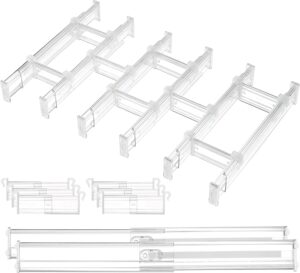
Vtopmart 2.36″ Drawer Divider…
Product description 1 for Flatware 2 for Kitchen Utensil 3 for Office Supplies 4 for Tools…
